
Request an Appointment

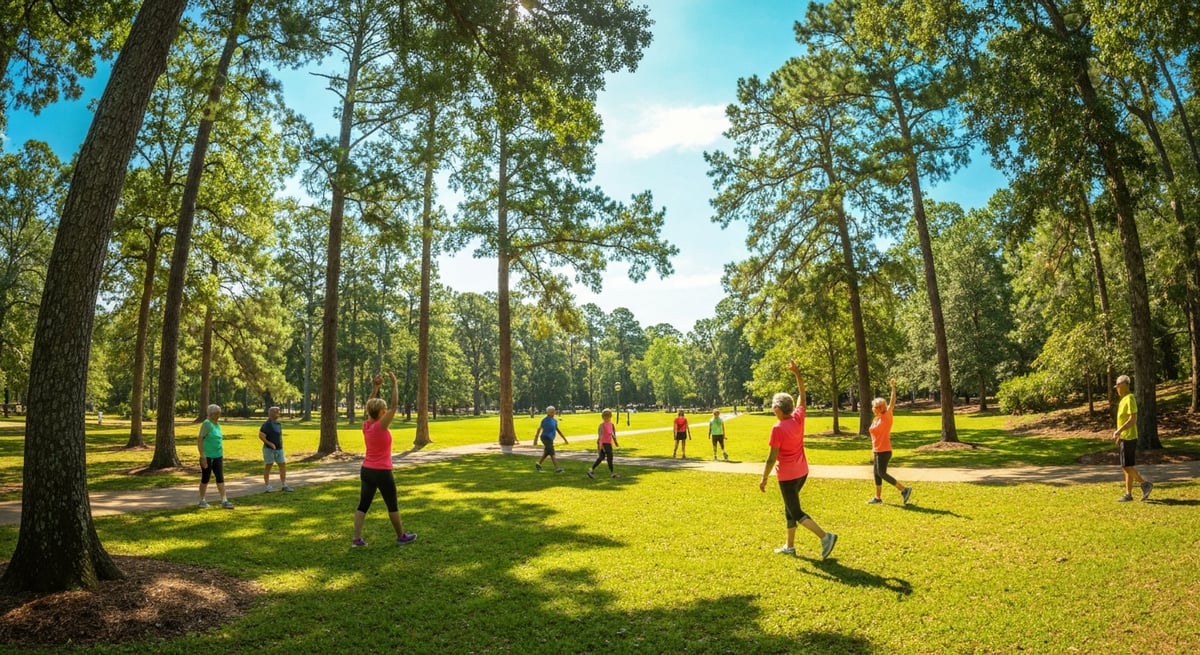
Georgia summers offer endless opportunities to enjoy the outdoors, from local parks in Kennesaw and Austell to scenic trails across Cobb County. For many adults in the greater Atlanta area, staying active under the summer sun is essential for physical and mental health. However, if you experience back or neck pain, degenerative disc disease, herniated discs, or other spinal concerns, extra care is needed to protect your spine while remaining active. As a board-certified orthopedic spine surgeon with over 25 years of experience, I see how summer activities can both help and challenge spine health.
Understanding spinal safety while enjoying outdoor fun can make a meaningful difference in your quality of life. The right strategies allow you to reap the full benefits of exercise, reduce discomfort, and avoid setbacks—whether you’re recovering from spine surgery, living with chronic pain, or simply wishing to stay mobile and engaged.
This guide provides reliable, patient-centered advice, directly informed by the protocols followed at Resurgens Orthopaedics and my leadership at WellStar Cobb Hospital. My goal is to help you pursue an active Georgia lifestyle with confidence, knowing how to move safely in summer conditions.
If you or a loved one struggle with back or neck issues, it’s important to know what symptoms warrant attention when increasing summer activity. Common signs and symptoms of spinal strain or underlying spine conditions include:
It is a misconception that all spine pain means you must avoid outdoor or physical activity entirely. In reality, guided movement is often highly beneficial. Many patients fear that walking, cycling, or swimming will exacerbate their condition; yet, these low-impact exercises are regularly encouraged by spine specialists, even after procedures like Cervical Disc Replacement or Lumbar Disc Replacement.
Another common misunderstanding is that only vigorous or high-intensity activity can support spine health. Moderate, regular movement—especially when tailored to your individual status—can significantly improve your outcomes without placing your spine at undue risk.
For example, studies show that people with chronic low back pain often benefit from aquatic exercise programs, which provide resistance for muscle strengthening while reducing the impact on spinal structures. Similarly, gentle yoga classes adapted for spine conditions can increase flexibility and alleviate stiffness without aggravating underlying disc issues. For those managing conditions such as spinal stenosis, even short neighborhood walks, when performed daily with breaks and gentle stretching, can contribute to reduced pain and improved walking tolerance over time. Consulting with your physician about activity modifications—such as using walking poles for stability or adjusting bicycle seat height to prevent slouching—can further optimize safe, enjoyable movement throughout the summer.

At Resurgens Orthopaedics, I take a comprehensive approach to helping patients in Acworth, Kennesaw, and the greater Atlanta region remain safely active throughout Georgia’s hottest months. For those with back or neck pain, degenerative disc disease, herniated discs, spine deformities, or after recovering from spine surgery, our focus is always on personalized care.
As Chairman of the Spine Committee at WellStar Cobb Hospital and with advanced spine surgery training from Northwestern University, Emory University, and William Beaumont Hospital, I bring evidence-based protocols to every patient encounter—helping you confidently pursue summer activity in Georgia while safeguarding your spine.
Our multidisciplinary team frequently collaborates with physical therapists and rehabilitation specialists to ensure safe progression in activity. For example, patients recovering from lumbar fusion or disc replacement may first focus on short daily walks in shaded parks, gradually working up to weekend bike rides or gentle hikes at Kennesaw Mountain. Return-to-activity timelines are individualized: someone recently treated for a herniated cervical disc may require more careful pacing and ongoing physical therapy to restore neck motion before resuming activities like tennis or golf. We also offer coaching on proper body mechanics for everyday summer tasks—such as gardening, pushing a lawnmower, or lifting children at poolside—to help limit strain and avoid setbacks. This integrated, local expertise supports optimal, personalized outdoor living throughout the summer.
Staying active in Georgia’s summer heat requires practical strategies tailored to your spine condition. Drawing on my 25 years of surgical and nonsurgical experience, these recommendations help you enjoy outdoor fun while minimizing spine stress:
For those recovering from procedures like Cervical Disc Replacement or Lumbar Disc Replacement, adhere closely to your post-operative protocol: walking is encouraged within 24 hours, with gradual return to light activity as advised. Always check with your spine surgeon before resuming or increasing physical exertion.
Another important aspect of keeping your spine safe is adapting your equipment and environment. For example, when walking on uneven surfaces like gravel trails at local parks, using trekking poles can offer enhanced stability and offload the spine. If you enjoy biking, adjusting the handlebar and seat so your back remains upright can prevent overextension or slouching. In pool environments, water aerobics classes designed for spine health allow for resistance training with less impact, and flotation devices can help those with limited mobility comfortably stay active. In addition, carrying a small backpack with both straps—rather than a single-shoulder bag—helps distribute weight and reduce asymmetrical spinal loading, which is especially important on longer outdoor excursions or day trips. These concrete adjustments can make activities safer and more accessible for individuals with varying spinal conditions.
Knowing when to seek professional evaluation can prevent minor issues from progressing into major disruptions of your lifestyle. You should schedule a visit with an orthopedic spine specialist if you experience:
During your visit at Resurgens Orthopaedics, you will receive a full evaluation that includes a careful discussion of your summer activity levels, symptoms, and personal goals. I may recommend diagnostic imaging or further testing to clarify your spinal condition. Our team will develop a personalized care plan, drawing on both the latest surgical advances and conservative spine treatment options. If surgery is recommended, procedures like Minimally Invasive Spine Surgery often allow for faster return to safe outdoor activities.
Remember, early intervention can preserve your mobility and comfort throughout the summer and beyond. Booking an appointment equips you with expert guidance for protecting your spine and staying active.
Maintaining an active lifestyle during Georgia summers is possible—especially when supported by expert spine care and proven strategies. Whether you are managing chronic pain, rehabbing after spine surgery, or simply seeking to stay mobile, the right guidance ensures your summer routine is safe and effective for your back and neck health.
As a Castle Connolly Top Doctor for 15 years and a Top Doctor in Orthopaedic Surgery recognized by Atlanta Magazine and The Atlantan, I am dedicated to the highest standards of care for patients in Acworth, Austell, Kennesaw, Vinings, Smyrna, and greater metro Atlanta. If you have questions or need a personalized spine treatment plan, I invite you to book an appointment with us today at Resurgens Orthopaedics. Take the first step toward a healthier, more active life—your spine will thank you.
Disclaimer: This content is for informational purposes only and does not constitute medical advice, diagnosis, or treatment. For personalized assessment, schedule a consult with a qualified orthopedic spine specialist.
Low-impact activities such as walking, swimming, cycling, and gentle hiking are generally safe and well tolerated by most adults with spine conditions. Choose shaded paths, well-maintained surfaces, and avoid activities that strain or twist the spine excessively.
Many patients can walk within 24 hours after minimally invasive spine surgery, with a gradual return to light activity in 4 to 6 weeks. Recovery timelines vary based on your condition and procedure—your surgeon will provide personalized guidance at your follow-up visit.
Guided, moderate outdoor activity often helps improve pain, flexibility, and function. However, rest is necessary during acute flare-ups or following recent procedures. Always follow your personalized care plan and check with your spine specialist before returning to exercise.
Schedule activities during cooler hours, stay well-hydrated, wear sun-protective clothing, and take regular rest breaks in shaded areas. Heat stress and dehydration can worsen musculoskeletal symptoms, so prevention is key.
You should see a specialist if you experience pain that does not improve with rest, radiates down an arm or leg, causes numbness or weakness, or impairs your daily activities. Early evaluation helps prevent complications and supports safe activity throughout summer.
This article was created with the help of AI. Images may also be AI-generated.


