
Request an Appointment

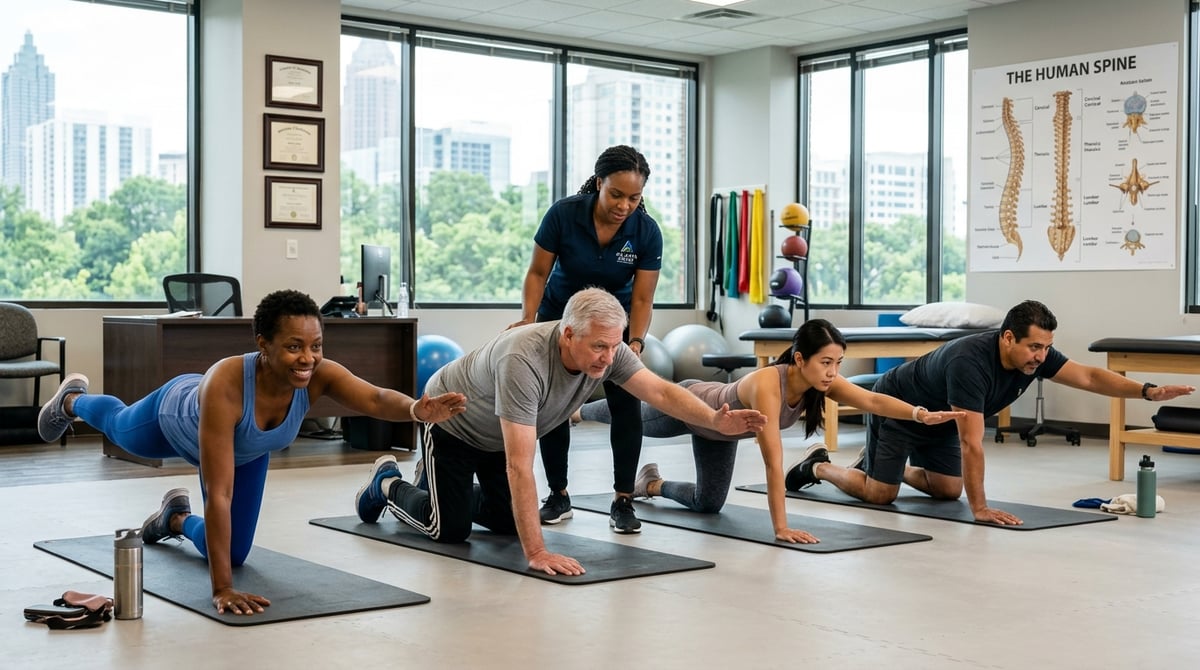
Back and neck pain affects millions of adults, often disrupting work, family life, and cherished activities. If you live in Acworth, Austell, Kennesaw, Vinings, or the greater Atlanta area and are experiencing chronic pain, degenerative spinal conditions, or disc problems, understanding the connection between core strength and spine health is crucial. The term "core strength" means more than having toned abs. It refers to the stability and endurance of a group of muscles in your abdomen, lower back, pelvis, and hips—all working together to support your spine.
When these core muscles are weak or imbalanced, your spine must compensate, leading to strain, poor posture, and, in many cases, increased risk for herniated discs, degenerative conditions, and lingering pain. Strengthening your core under expert guidance can improve spinal alignment, reduce discomfort, and prevent further injury. As a fellowship-trained, board-certified orthopedic spine surgeon, Dr. Tapan Daftari draws on 25-plus years in reconstructive and minimally invasive spine surgery to help patients achieve lasting spine support and a better quality of life.
Many adults ignore or misunderstand what their bodies are telling them. Core weakness may present as more than just back or neck pain. Signs include:
Common misconceptions:
Dr. Tapan Daftari helps patients in the Atlanta area learn which exercises are safe at each stage of their recovery, empowering you to move forward with accurate information and confidence.
With decades of experience and advanced training, Dr. Daftari offers a full spectrum of diagnostics and treatments for spine support—from conservative therapies to specialized surgeries. Your evaluation includes:
Common conditions managed include degenerative disc disease, cervical or lumbar herniated discs, spinal deformities, and previous spine surgery patients with residual weakness. In many cases, prescribed physical therapy focuses on tailored core strengthening programs that may help you avoid or delay surgery. For those who need surgical treatment, Dr. Daftari specializes in both motion-preserving procedures (such as Cervical Disc Replacement and Lumbar Disc Replacement) and fusion surgeries, always prioritizing your quality of life and rapid return to function. You will never receive a generic plan; every step is matched to your health, activity level, and goals.
Building core strength does not require hours at the gym or risky moves. As part of a comprehensive care plan, Dr. Daftari commonly recommends the following:
Essential tips:
Many patients benefit from working with a physical therapist to receive hands-on guidance. Following the recovery protocols after minimally invasive spine surgery or other procedures is important for a successful long-term outcome.
If your back or neck pain lasts more than a few weeks, limits your daily activity, causes weakness or numbness, or if home exercises fail to improve symptoms, it’s time to schedule a consultation. During your first visit, Dr. Daftari conducts a comprehensive evaluation, explains your imaging, and discusses all options using clear, compassionate language. Expect:
Dr. Daftari’s patient-first approach aims to reduce your pain, restore function, and help you return to what matters most—always focusing on your unique needs. If you require surgery, protocols are in place for early mobilization, return-to-work planning, and education for both you and your loved ones.
A strong core is the foundation for a resilient spine. Whether you’re recovering from a recent injury, managing a degenerative disorder, or seeking ways to protect your long-term back health, expert guidance matters. Dr. Tapan Daftari, recognized as a Top Doctor in the Atlanta area for over a decade, combines advanced training with genuine compassion for every patient.
If you’re ready to experience relief and improved function, schedule your appointment today and let our team help you build lasting stability for a better quality of life.
Disclaimer: This blog is provided for informational purposes only and does not constitute medical advice, diagnosis, or treatment. Please consult Dr. Daftari or a qualified spine surgeon for individual evaluation of your condition.
Core muscles stabilize and support the spine, reducing strain on spinal discs, joints, and ligaments. This lowers your risk for injury, pain, and degenerative changes.
Core strengthening can be safe and beneficial after surgery when introduced at the right stage. Always follow your surgeon’s protocols before beginning or advancing exercises.
In many cases, a strong core can alleviate symptoms and improve function, delaying or sometimes avoiding surgery. Dr. Daftari reviews all conservative options before recommending any intervention.
Targeted core exercises—when guided by your surgeon or physical therapist—are often safe and helpful. Always consult before starting a program, especially if you have significant pain or neurological symptoms.
Most patients begin gentle movement within 24 hours and progress to core and aerobic activities in the weeks following, based on individual recovery plans. Your timeline will be determined in consultation with Dr. Daftari.
This article was created with the help of AI. Images may also be AI-generated.


