
Request an Appointment


Holiday travel, long hours in a car or plane, disrupted sleep, and extra lifting can aggravate back or neck pain. If you live with a herniated disc, arthritis, spinal stenosis, or another spine condition, planning ahead can make seasonal activities easier to manage. The goal is to protect your comfort and function without ignoring symptoms that need medical attention.
Dr. Tapan Daftari is a board-certified orthopedic spine surgeon with fellowship training in spine surgery and more than 25 years of clinical experience. He practices with Resurgens Orthopaedics and cares for patients across the greater Atlanta area, including Acworth, Austell, Kennesaw, and Vinings. His care includes evaluation of cervical and lumbar conditions, conservative treatment planning, and reconstructive or minimally invasive surgery when appropriate.
Holiday discomfort does not always mean your spine condition has worsened. At the same time, new or worsening symptoms deserve attention. A plan based on your health, your travel needs, and your diagnosis can help you decide what to do next.
Travel often means sitting longer than usual. A car seat or airplane seat can keep your back and neck in one position, while luggage, gifts, and snow-free but crowded sidewalks can add unfamiliar lifting and walking. Stress may also affect sleep and muscle tension, which can make existing pain harder to manage.
People with lumbar radiculopathy, meaning irritation of a nerve in the lower back that can cause pain or tingling into a leg, may notice symptoms during prolonged sitting. Cervical radiculopathy, nerve irritation in the neck that can cause pain, numbness, or weakness in an arm, may also be aggravated by a fixed head position. These symptoms have several possible causes, so they cannot be diagnosed from a travel story alone.
Preparation gives you options. You can plan breaks, pack in smaller bags, and avoid carrying more than you can safely manage. If you already have a treatment plan, ask your clinician whether any activity limits apply to your trip.
For many people, holiday soreness improves when they change position, rest, and return to their usual routine. Persistent pain, worsening symptoms, or limits on walking, sleep, and daily tasks are reasons to seek an evaluation rather than assume the discomfort is temporary.

Spine-related symptoms can include aching or stiffness in the neck or back, pain that travels into an arm or leg, tingling, numbness, or weakness. Some people with spinal stenosis, or narrowing around the nerves, feel leg pain or heaviness when standing or walking. These symptoms may have causes outside the spine too, which is one reason a clinical assessment is useful.
A common misunderstanding is that any flare means a disc has caused new damage. Pain can change with activity, sleep, stress, or time spent sitting. A flare alone does not establish what has changed inside the spine or whether surgery is needed.
Another misconception is that surgery is the only way to address ongoing pain. Depending on your diagnosis and exam, care may begin with activity changes, physical therapy, or pain management. Surgery is considered when symptoms, imaging, and examination findings support it, and when the expected benefits and risks make sense for you.
Seek urgent medical care for new loss of bladder or bowel control, numbness around the groin or inner thighs, or rapidly worsening weakness. These symptoms need prompt assessment. For severe or rapidly changing symptoms, do not wait for a routine office visit.
Dr. Tapan Daftari begins by learning how your symptoms affect daily activities, work, sleep, and travel. He reviews your medical history and performs an examination. If imaging is needed, he considers it alongside your symptoms and exam findings. An image by itself does not determine the right treatment.
Dr. Daftari earned his medical degree from Northwestern University, completed orthopedic surgery residency at Emory University School of Medicine in Atlanta, and completed spine surgery fellowship training at William Beaumont Hospital in Royal Oak, Michigan. He is board-certified in orthopedic surgery and serves as Chairman of the Spine Committee at WellStar Cobb Hospital. He is affiliated with multiple WellStar hospital locations.
Treatment depends on the condition and your goals. Non-surgical care may include physical therapy, activity guidance, or pain management. When symptoms continue despite appropriate conservative care, or when a particular condition calls for surgery, Dr. Daftari can discuss options and their tradeoffs with you.
For selected patients, minimally invasive techniques use smaller incisions and tools such as tubular retractors, which move muscle aside rather than requiring a larger exposure. These approaches can reduce muscle disruption, but they are not right for every condition. Potential benefits and risks depend on the procedure and the individual patient.
Procedures in Dr. Daftari's scope include cervical spine procedures and lumbar procedures. Depending on diagnosis and candidacy, options may include anterior cervical discectomy and fusion (ACDF), cervical disc replacement, lumbar discectomy, laminectomy, or lumbar fusion. A fusion joins bones to limit painful movement; a disc replacement is designed to preserve motion in suitable candidates. Learn more about cervical disc replacement, lumbar disc replacement, and minimally invasive spine surgery and recovery.
A few adjustments can make a long trip easier on your back and neck. Use these suggestions as general guidance, and follow any restrictions your own clinician has given you.
Do not change prescription medication doses or combine medicines without checking with your clinician or pharmacist. If you are recovering from a procedure, ask your care team about travel, lifting, and activity limits before leaving town.
Recovery after spine surgery is individual. Some patients may walk within 24 hours, return to desk work in 2 to 4 weeks, resume light activity in 4 to 6 weeks, and receive clearance for heavy lifting at about 3 months. These are general milestones, not promises or instructions for your specific case. Your surgeon will guide your activity based on the procedure and your recovery.
Consider scheduling an evaluation if neck or back pain lasts beyond a short flare, keeps returning, travels into an arm or leg, or interferes with sleep, walking, work, or holiday plans. Make an appointment if you notice new numbness or weakness, or if your current treatment is no longer helping. New or progressive weakness and changes in bladder or bowel control need urgent evaluation.
At a visit, expect to describe when your symptoms began, what makes them better or worse, and how they affect your routine. Bring a list of medications and any prior imaging or treatment records you have. Dr. Tapan Daftari can review your history, examine you, and explain whether further testing or treatment is appropriate.
You can ask about non-surgical care, the likely benefits and risks of a proposed procedure, recovery limits, and how treatment may fit around work or travel. A consultation is a chance to understand your options. It does not obligate you to have surgery.
If you are in Acworth, Austell, Kennesaw, Vinings, or elsewhere in metro Atlanta and travel pain is disrupting your routine, request an evaluation through the Resurgens Orthopaedics scheduling portal. Discuss your individual symptoms with a qualified spine surgeon before making treatment decisions.
Holiday travel and added demands can aggravate back or neck symptoms, but a flare does not automatically mean your condition has progressed or that you need surgery. Movement breaks, careful lifting, and planning around your known limits may help you manage the season. Persistent or changing symptoms deserve an informed evaluation.
Dr. Tapan Daftari provides spine care based on your diagnosis, examination, and goals, with conservative treatment considered alongside surgical options. If pain is affecting your plans or daily function, request a consultation with Resurgens Orthopaedics to discuss what may be appropriate for you.
Medical disclaimer: This article is for informational purposes only. It does not provide medical advice, diagnosis, or treatment. Consult a qualified spine surgeon for an evaluation of your individual condition.
Yes. Long periods of sitting, lifting luggage, disrupted sleep, and stress may aggravate symptoms. They do not, by themselves, show that a spinal condition has worsened.
There is no single interval for everyone. Stop when it is safe to change position and walk briefly, especially if sitting increases your symptoms. Follow any activity limits from your clinician.
No. A flare alone does not establish a diagnosis or the need for surgery. Treatment depends on your examination, symptoms, imaging when needed, and response to conservative care.
Ask your surgeon before making plans. Safe travel depends on the procedure, your recovery, distance, and activity restrictions. Do not rely on general timelines as personal clearance.
Seek urgent medical care for new loss of bladder or bowel control, numbness around the groin or inner thighs, or rapidly worsening weakness.
Bring a medication list, prior imaging or treatment records if available, and notes about when symptoms began and how they affect your daily activities.
Our team used AI tools to help draft this article, then edited and fact-checked it before publishing.

Thoracic spine pain, centered in the mid-back region, is often underestimated compared to more common neck or low back pain. Yet, for adults across Atlanta, Acworth, Kennesaw, and surrounding areas, discomfort in the thoracic spine can disrupt daily life, limit mobility, and signal underlying conditions that require careful attention. Many adults are surprised to learn their pain has specific causes that are frequently missed, delaying relief and effective care.
The thoracic spine is made up of 12 vertebrae (T1 to T12) that connect to the rib cage, serving as a critical support system for the upper body. Due to its unique anatomical structure, the thoracic region is less mobile than the neck or lower back, yet it plays a vital role in overall spinal stability and protection of essential organs such as the heart and lungs. Because of its location, thoracic spine pain may be experienced not just in the back itself, but may also radiate to the chest, ribs, or even feel like stomach discomfort, making diagnosis more challenging. Additionally, repetitive motions, sports injuries, prolonged desk work, or even mild spinal conditions can trigger pain or exacerbate existing problems.
As a fellowship-trained, board-certified orthopedic spine surgeon with over 25 years of clinical experience, Dr. Tapan Daftari has seen firsthand how early understanding and targeted treatment of thoracic spine pain can prevent chronic issues and restore quality of life. This guide will help you recognize when your symptoms merit expert evaluation and how individualized, advanced solutions can get you back to living fully.
You may experience thoracic spine pain as a persistent ache, sharp localized discomfort, or stiffness in your mid-back. Some also describe a band-like pressure around the chest or pain that worsens with certain movements. Symptoms can include:
One common misunderstanding is believing that all thoracic pain results from poor posture or simple muscle strain. While posture and muscle tension play roles, many adults have underlying spinal issues such as herniated discs, thoracic degenerative disc disease, spinal stenosis (narrowing), vertebral compression fractures, or even early signs of scoliosis. Missing these diagnoses can lead to unresolved symptoms and ongoing disruption of daily function.
For example, patients who work long hours at a computer may attribute their discomfort solely to muscle fatigue but may in fact have degenerative changes in the spine exacerbated by prolonged static postures. Similarly, older adults may dismiss mid-back pain as part of normal aging, overlooking the risk of compression fractures due to undiagnosed osteoporosis. Even athletes are not immune: rotational sports like golf or tennis can cause stress injuries to the thoracic spine, sometimes leading to disc herniation or facet joint issues.
Dr. Daftari frequently sees patients who have delayed specialist care because their pain was attributed to minor causes when, in reality, a precise and timely evaluation was needed. Recognizing that thoracic symptoms can have multiple, sometimes overlapping, causes is the first step toward finding real relief. Early diagnosis can also rule out rare but serious causes, such as infections, tumors, or referred pain from abdominal or cardiac origins, which require prompt intervention. As such, it is crucial not to ignore or self-diagnose persistent mid-back pain, but instead to seek expert care when symptoms persist or worsen.

At Resurgens Orthopaedics, Dr. Tapan Daftari offers expert evaluation of thoracic spine pain that draws from his advanced training at Northwestern University and Emory University, as well as his extensive fellowship experience at William Beaumont Hospital. Every patient receives a personalized assessment—starting with a thorough history, detailed physical examination, and focused diagnostic imaging—to identify both common and often overlooked causes of thoracic discomfort.
An initial assessment typically includes a review of your activity history, occupational risks, previous injuries, underlying medical conditions, and current symptoms. Dr. Daftari may use advanced imaging technologies such as MRI, CT scans, or digital X-rays to detect issues not visible on basic radiographs. This detailed approach allows for differentiation between musculoskeletal, discogenic, and neurological causes—an essential step given the overlap of symptoms in the thoracic region. In some cases, nerve conduction studies or bone scans may be utilized to further clarify the diagnosis, especially if there is concern for nerve impingement or early signs of bone disease.
Not all pain requires surgery. Dr. Daftari’s approach begins with conservative management, such as physical therapy, activity modification, and targeted pain management techniques. Carefully designed physical therapy protocols focus on core and postural muscle strengthening, spinal stabilization exercises, and education on safe movement patterns, which can dramatically reduce pain and improve function in many patients. When surgery is indicated, he offers advanced, minimally invasive options that limit muscle disruption, reduce hospital stays, and speed your return to activities. For example, minimally invasive spine surgery techniques have greatly improved outcomes for eligible patients, offering smaller incisions, less postoperative pain, and a quicker rehabilitation process compared to traditional open procedures.
Patient education is central to the care you receive. Dr. Daftari ensures you understand your condition, your treatment options, and realistic recovery timelines. He takes the time to answer questions, discuss lifestyle adjustments, and set expectations for each phase of your recovery. His leadership role as Chairman of the Spine Committee at WellStar Cobb Hospital and his recognition as a 10-time Top Doctor reinforce the high standard of care you can expect at every visit.
If your thoracic spine pain is mild or has recently started, there are proactive steps you can take to reduce discomfort and protect your spinal health:
Additional strategies include incorporating ergonomic supports such as lumbar rolls or adjustable chairs, and ensuring your workspace is set up to encourage natural posture (for example, keeping computer monitors at eye level). Mindful breathing and relaxation exercises—such as yoga or gentle stretching—can also alleviate muscular tightness commonly associated with thoracic pain. Simple daily routines, such as shoulder blade squeezes, wall angels, and thoracic rotations, can be easily integrated into your day to promote spinal mobility.
For those with persistent or unexplained thoracic pain, relying solely on home remedies or generalized advice may delay necessary care. Because thoracic pain can sometimes signal underlying disc, nerve, or even spinal alignment issues, a specialist’s evaluation is critical. Some red flags to watch for at home include the sudden onset of pain after a minor fall, which could indicate a vertebral fracture—especially in older adults or individuals with known bone density loss. Persistent or worsening symptoms despite rest and over-the-counter remedies, or neurological signs such as numbness or weakness, also warrant professional evaluation. Learn more about Cervical Disc Replacement and Lumbar Disc Replacement for conditions affecting the full spine. You can also explore how advanced minimally invasive spine surgery promotes quicker recovery after surgical care.
It is important to know when your symptoms require a consultation with a spine specialist. You should seek expert evaluation if you experience:
Some additional scenarios that demand attention include recurrent bouts of mid-back pain that disturb your sleep, unintentional weight loss combined with back pain (which could suggest infection or malignancy), or persistent pain in individuals with a history of cancer. Individuals who previously responded to over-the-counter medication but now find little relief should also seek timely evaluation, as this may indicate progression of underlying pathology.
During your visit, Dr. Daftari conducts a precise assessment tailored to your unique health history and symptoms. This may include specialized imaging, nerve testing, and thorough musculoskeletal evaluation. Advanced diagnostic techniques, such as dynamic X-rays or electromyography, may be used to capture functional problems or subtle nerve involvement. Based on his findings, you will receive clear guidance on next steps—whether that means starting with conservative therapies or discussing advanced surgical options. Throughout, you can expect compassionate support, clarity about your diagnosis, and careful explanation of realistic recovery goals. Dr. Daftari and his team serve patients across Acworth, Austell, Kennesaw, Smyrna, and the greater Atlanta area with a commitment to restoring your quality of life through individualized care plans.
Thoracic spine pain does not have to control your life. Early understanding and timely expert intervention can make a significant difference in your well-being, mobility, and peace of mind. Whether your pain is newly developed or has lingered despite previous treatments, Dr. Tapan Daftari and his team are equipped to uncover overlooked causes and deliver advanced solutions tailored to your needs.
With significant advancements in thoracic spine care, patients today benefit from more precise diagnostics, targeted therapies, and a wider range of minimally invasive surgical options than ever before. For some individuals, collaborative care that includes input from physical therapists, pain management specialists, or occupational therapists may greatly improve outcomes by addressing function and lifestyle adaptations holistically. Post-treatment support is also a cornerstone of care at Dr. Daftari’s practice—including individualized rehabilitation plans, access to educational resources, and ongoing monitoring to ensure optimal recovery and minimal risk of recurrence.
Dr. Daftari’s board certification, leadership at Resurgens Orthopaedics, and recognition as a Top Doctor underscore his commitment to your recovery. Take the first step toward lasting relief—schedule a consultation today and let us help you restore the quality of life you deserve.
Thoracic spine pain can result from muscle strain, herniated discs, degenerative disc disease, spinal stenosis, scoliosis, vertebral compression fractures, or arthritis. Accurate diagnosis by a specialist is key to effective treatment.
No. Most patients improve with conservative treatments like physical therapy, medications, and lifestyle changes. Surgery is considered when conservative measures do not relieve symptoms or if neurological issues are present.
Minimally invasive techniques use small incisions and advanced instrumentation to treat certain thoracic conditions. These methods reduce muscle damage, shorten hospital stays, and often speed recovery for appropriate patients.
Persistent pain, weakness, numbness, worsening symptoms, or pain following trauma should prompt an expert evaluation. Sudden onset of loss of limb function or bowel/bladder changes is a medical emergency.
Dr. Daftari blends 25-plus years of clinical experience, board certification, and advanced fellowship training with a personalized, patient-first approach. His care emphasizes accurate diagnosis, minimally invasive options, patient education, and robust support throughout your recovery.
This article was created with the help of AI. Images may also be AI-generated.

Facet joint arthritis is one of the most common yet underrecognized sources of persistent back and neck pain for adults in the greater Atlanta, Georgia area. The facet joints are small connections between the vertebrae, lined by cartilage, that allow your spine to bend and twist while maintaining alignment. Over time, wear and tear or previous injuries can lead to degeneration and inflammation of these joints—a condition known as facet joint arthritis (also referred to as facet arthropathy or facet syndrome).
For many, this condition becomes a frequent and powerful driver of chronic discomfort, stiffness, and even radiating pain into the buttocks, thighs, or shoulders. Understanding facet joint arthritis is crucial because it is often mistaken for disc problems or muscle strain, which can delay the correct diagnosis and appropriate treatment. By learning how facet joint arthritis develops, what symptoms to watch for, and which advanced treatments are available, you take an empowered step toward regaining comfort and quality of life.
Facet joint arthritis may present differently than other sources of back pain. Patients frequently describe pain that:
There can also be accompanying popping or grinding sensations, particularly when rotating or bending. In more advanced cases, the joints may develop swelling or tenderness upon palpation. Some individuals notice a loss of flexibility or range of motion, resulting in difficulty turning the head (in cervical involvement) or twisting at the waist (in lumbar disease).
Common misunderstandings can hinder appropriate care. Many patients believe any chronic back pain must stem from a herniated disc or muscular strain, overlooking the facet joints as a significant cause. Other misconceptions include the belief that only older adults develop this form of arthritis, when in fact, athletes, laborers, and people with a history of previous spinal injury or accident are also at risk, sometimes developing facet changes at a younger age. Some assume all spine-related pain behaves the same way—yet, the mechanical and positional nature of facet arthritis can be a distinguishing clue. Accurate diagnosis often requires careful clinical evaluation, specialized imaging, and the expertise of a fellowship-trained spine surgeon familiar with these nuanced presentations.

With over 25 years of experience as a board-certified orthopedic spine surgeon in Georgia, Dr. Tapan Daftari prioritizes a thorough and patient-centered approach to facet joint arthritis. He and his team at Resurgens Orthopaedics utilize detailed clinical assessments, advanced diagnostic imaging, and often confirmatory procedures, such as image-guided facet joint injections, to accurately identify the source of pain. For example, a patient presenting with low back pain aggravated by prolonged standing might undergo both a careful physical examination and an MRI to look for subtle arthritic changes. Targeted injections not only relieve discomfort but also help confirm which specific joints are responsible for symptoms.
Dr. Daftari offers a comprehensive spectrum of treatment options, beginning with conservative therapies such as activity modification, physical therapy, focused pain management—including targeted facet injections—and minimally invasive interventions when appropriate. His clinical decision-making incorporates factors such as the severity of joint degeneration, patient activity level, and previous response to non-surgical care, ensuring resources are directed toward treatments most likely to yield positive results.
For patients whose pain persists, Dr. Daftari is highly specialized in advanced surgical techniques, including Minimally Invasive Spine Surgery, and reconstructive solutions that preserve spinal mobility and function. His approach incorporates both leading-edge technology and individualized care plans, ensuring every patient receives guidance tailored to their unique anatomy, diagnosis, and personal goals. This may include incorporating computer-assisted navigation to maximize surgical precision or utilizing tissue-preserving techniques to encourage faster recovery. With privileges at multiple WellStar hospitals and deep roots in the Acworth, Austell, Kennesaw, and Atlanta areas, Dr. Daftari provides accessible, award-winning care for those seeking relief from chronic facet-related pain.
If you live with facet joint arthritis, there are steps you can take every day to help manage pain and protect your spine. Dr. Daftari’s clinical recommendations, drawn from decades of orthopedic spine experience, include:
It’s also important to maintain a healthy weight, as excess pounds increase stress on the facet joints, accelerating cartilage loss and joint degeneration. Simple modifications, such as taking micro-breaks during prolonged activities (standing or sitting), using lumbar rolls while seated, or stretching regularly, can have significant effects on comfort and function. Some patients benefit from supportive braces or manual therapy for added relief under the guidance of a professional.
Dr. Daftari may recommend image-guided facet injections for both diagnosis and pain relief, or discuss surgical options such as Cervical Disc Replacement and Lumbar Disc Replacement—procedure choices based on your spine’s specific pathology and your treatment goals. These injections can confirm the diagnosis while temporarily reducing pain, providing an opportunity for improved participation in physical therapy. Explore more about Minimally Invasive Spine Surgery and the personalized recovery protocols Dr. Daftari provides for Atlanta-area patients.
Many adults try to manage back or neck pain on their own, but there are important signs that it is time to seek evaluation by a fellowship-trained specialist like Dr. Tapan Daftari. You should schedule an appointment if you:
Do not delay getting care if the pain is severe or episodic, repeatedly limiting your participation in work, family activities, or hobbies. Early consultation may lead to earlier relief and prevent the onset of compensatory problems, such as abnormal gait or muscle imbalance. People with certain risk factors—such as a family history of arthritis, physically demanding jobs, or a previous spinal injury—should be particularly vigilant.
At your visit, you can expect a detailed history, focused physical examination, and, if needed, advanced imaging such as MRI or CT scans. Dr. Daftari’s advanced diagnostic skills and experience in reconstructive and minimally invasive spine surgery ensure that you receive an accurate diagnosis and a tailored treatment plan. Each patient’s needs, lifestyle, and goals are carefully considered—empowering you to make informed choices about your health and quality of life.
Facet joint arthritis is a frequent culprit behind chronic back pain, but targeted care can help you reclaim your comfort and mobility. With over 25 years of spine surgery expertise, board certification, and advanced fellowship training, Dr. Tapan Daftari delivers trusted, award-winning care to adults throughout Acworth, Austell, Kennesaw, and the greater Atlanta area. His patient-centered approach combines meticulous diagnosis, conservative management, and advanced reconstructive or minimally invasive options based on your unique needs.
Successful return to activity is possible, even for people with prior unsuccessful treatments. Individuals often regain lost mobility, improved posture, and better sleep after a focused plan is put in place. Many patients are able to resume recreational activities—such as gardening, golf, or yoga—that they had previously abandoned. Dr. Daftari’s commitment to ongoing education and the use of evidence-based therapies ensures patients benefit from innovations as soon as they are proven safe and effective.
If chronic back or neck pain is impacting your life, you do not have to face it alone. Request an appointment to consult with Dr. Daftari and discover a path forward—grounded in expertise, compassion, and a commitment to restoring your quality of life.
Medical Disclaimer: This content is provided for informational purposes only and does not constitute medical advice, diagnosis, or treatment. Please consult a qualified spine surgeon for evaluation of your individual condition.
Facet joint arthritis is caused by degeneration of the cartilage lining the facet joints, often due to aging, repetitive stress, past injury, or genetic factors. This leads to inflammation, pain, and sometimes the development of bone spurs.
Diagnosis combines physical examination, assessment of pain patterns, imaging studies such as X-rays or MRI, and sometimes confirmatory procedures like image-guided facet joint injections, which can help pinpoint the pain source.
Yes, most people benefit from conservative therapies first, including physical therapy, guided exercise, spine-friendly activities, medication, and targeted injections. Surgery is considered only if non-surgical care does not relieve symptoms.
Recovery from minimally invasive procedures is typically faster than with traditional open surgery. Many patients can walk within 24 hours, resume desk work in 2–4 weeks, and gradually return to more activity over several months, depending on individual factors.
Many insurance plans cover medically necessary evaluation and treatment for facet joint arthritis, including imaging, therapy, injections, and surgery, but coverage varies. The Resurgens Orthopaedics team can assist you in understanding your benefits.
This article was created with the help of AI. Images may also be AI-generated.

Workplace back pain is a leading reason adults in the greater Atlanta area seek clinical care and often impacts those with sedentary or physically demanding jobs. As a board-certified, fellowship-trained orthopedic spine surgeon, Dr. Tapan Daftari has seen how daily habits and workspace design can either support your spine health or contribute to discomfort that grows into chronic pain. Understanding the causes and solutions for workplace back pain makes a meaningful difference for those with herniated discs, spinal stenosis, spondylosis, or postural strain from prolonged desk work. Research indicates that up to 80% of adults will experience back pain at some point during their careers, with a significant proportion linked to desk-bound tasks or repetitive physical activities. Poor ergonomics can place excessive strain on spinal discs, leading to microtrauma that accumulates over months or even years. Specific factors—such as an unsupportive office chair, a workstation that is not tailored to your body's natural alignment, or repeatedly lifting objects with improper form—can precipitate these injuries. Conversely, improving your work environment and adopting healthy routines can prevent minor discomfort from growing into a major limitation—and, in many cases, help relieve existing back or neck pain. In this article, I will share clinically proven insights, ergonomic strategies, and actionable habits to help protect your spine and improve your quality of life, both at work and beyond.
Back pain in the workplace often starts with subtle signs. Early symptoms may include:
Many patients mistakenly believe that back pain only occurs with heavy lifting or physical labor. However, spine conditions like lumbar spondylosis (degenerative changes in the lower back) or cervical radiculopathy (nerve compression in the neck) frequently develop in those who sit for prolonged periods or use an unsupportive workstation setup. For example, office workers who spend most of the day at a computer may notice pain that starts as a mild nuisance but, over time, progresses to a point that interferes with daily activities. Common scenarios include slumping in a chair, leaning forward toward a screen, or cradling a phone between your shoulder and ear during calls—all of which can aggravate muscles and compress nerves over months. Misunderstandings also include assuming pain will resolve on its own without changes, or that only surgery can provide lasting relief. People may underappreciate that postural strain, repetitive reaching, or even lack of regular movement throughout the workday are contributors. In reality, most workplace-related spine issues improve with a combination of ergonomic modifications, physical therapy, and simple daily habits tailored to your unique health profile. Clear diagnosis and early management are key to preventing long-term disability or progression to complex conditions that may eventually require specialized interventions like Cervical Disc Replacement or Lumbar Disc Replacement.

At Resurgens Orthopaedics, my philosophy centers on combining accurate diagnosis, advanced imaging, and a comprehensive range of non-surgical and surgical solutions. Each patient receives an individualized assessment, often starting with a detailed discussion about workplace habits, ergonomic risk factors, and the specific nature of your discomfort. For many, conservative management is the first step. This may include:
A typical consultation includes an in-depth review of your work routine: Are you sitting for prolonged hours without breaks? Does your job involve repetitive lifting or awkward postures? Understanding these details allows for creation of a treatment plan that fits your work realities. Some industries, like manufacturing or healthcare, present unique challenges—frequent bending, carrying, or standing can exacerbate lower back strain or cervical issues. Office workers benefit from guidance on optimizing their computer and phone setup to avoid repetitive stress and muscle fatigue. For persistent or structural spine conditions, I offer advanced treatment options, including Minimally Invasive Spine Surgery which allows quicker recovery, less tissue disruption, and improved post-operative mobility. This can be particularly valuable for professionals who cannot afford lengthy downtimes or have job duties requiring sustained mobility. My team coordinates follow-up and provides ongoing education, empowering you with the knowledge to manage your condition and prevent recurrence. Educational sessions often address return-to-work plans, safe lifting techniques, and customized exercise routines. My 25+ years of experience, combined with board certification and fellowship training from Northwestern University, Emory University School of Medicine, and William Beaumont Hospital, ensure you are receiving spine care that is both compassionate and clinically precise—serving patients in Acworth, Austell, Kennesaw, Smyrna, Vinings, and greater Atlanta.
Implementing the right ergonomic strategies and daily practices can significantly impact your spine health and comfort at work. Based on my clinical experience, I recommend the following steps:
Together, these habits reduce stress on your intervertebral discs and spinal joints, lowering your risk of developing conditions like lumbar radiculopathy or spinal stenosis. Even simple adjustments, such as switching to a hands-free headset or organizing your workspace to keep frequently used items within reach, can provide relief for repetitive strain. For anyone experiencing ongoing pain or workplace limitation, early intervention and tailored guidance are crucial. Educational resources on advanced options, such as Minimally Invasive Spine Surgery, are available for those exploring further relief.
You should consider scheduling an appointment with an orthopedic spine specialist if you experience:
During your visit at Resurgens Orthopaedics, I begin with a thorough clinical exam, review of your medical history, and may order imaging studies if needed. For instance, an MRI may be utilized to identify nerve compression or herniated discs, while X-rays assess alignment and potential degenerative changes. Diagnosis is discussed in clear terms, along with your treatment options and likely outcomes based on the latest guidelines from the American Academy of Orthopaedic Surgeons and the North American Spine Society. I emphasize shared decision-making, ensuring you understand when non-surgical management is appropriate or when options such as Cervical Disc Replacement or Lumbar Disc Replacement might be considered. Each treatment plan reflects not only your specific condition but your personal goals for activity, work, and quality of life. Commonly, early intervention allows patients to return to work with modified duties or preventive strategies in place, minimizing risk of recurrence. My practice serves adults across Kennesaw, Acworth, Austell, and the greater Atlanta area.
Workplace back pain does not have to limit your health, comfort, or productivity. By understanding your symptoms, implementing ergonomic improvements, and seeking expert guidance when needed, you can take meaningful steps toward lasting relief. At Resurgens Orthopaedics, I combine 25 years of fellowship-trained expertise, award-winning patient care, and advanced spine surgery options tailored to your needs. Many patients who once struggled with ongoing back or neck pain discover, with early guidance, that a combination of ergonomic modifications and specific therapeutic exercises significantly improves their functional ability at work. Employees returning from injury benefit from a clear recovery timeline and workplace adjustments, allowing for a more confident and successful transition. If you have ongoing pain or spinal concerns, do not wait for symptoms to worsen—early consultation leads to better outcomes and more treatment options. Ready to explore your options? Request your appointment with Dr. Daftari today.
This article is for informational purposes only and should not be considered medical advice. Please consult a qualified healthcare professional for diagnosis and treatment of your individual condition.
Adjust your chair for lumbar support, keep your feet flat on the floor, set your monitor at eye level, and ensure your keyboard and mouse are easy to reach without strain.
Yes. Consistent movement, good posture, and body mechanics reduce stress on spinal discs and help prevent issues like lumbar stenosis or cervical radiculopathy.
If your back or neck pain lasts more than two weeks after adjusting your workspace and habits, or if you experience nerve symptoms, schedule a clinical evaluation.
Minimally invasive spine surgery uses small incisions and advanced techniques to treat spinal conditions. It is designed for less tissue disruption and a faster recovery compared to traditional open procedures. Learn more about recovery at Minimally Invasive Spine Surgery.
Not always. While posture plays a major role, factors such as prolonged sitting, previous injuries, degenerative changes like spondylosis, and even genetics can all contribute.
This article was created with the help of AI. Images may also be AI-generated.

Georgia summers offer endless opportunities to enjoy the outdoors, from local parks in Kennesaw and Austell to scenic trails across Cobb County. For many adults in the greater Atlanta area, staying active under the summer sun is essential for physical and mental health. However, if you experience back or neck pain, degenerative disc disease, herniated discs, or other spinal concerns, extra care is needed to protect your spine while remaining active. As a board-certified orthopedic spine surgeon with over 25 years of experience, I see how summer activities can both help and challenge spine health.
Understanding spinal safety while enjoying outdoor fun can make a meaningful difference in your quality of life. The right strategies allow you to reap the full benefits of exercise, reduce discomfort, and avoid setbacks—whether you’re recovering from spine surgery, living with chronic pain, or simply wishing to stay mobile and engaged.
This guide provides reliable, patient-centered advice, directly informed by the protocols followed at Resurgens Orthopaedics and my leadership at WellStar Cobb Hospital. My goal is to help you pursue an active Georgia lifestyle with confidence, knowing how to move safely in summer conditions.
If you or a loved one struggle with back or neck issues, it’s important to know what symptoms warrant attention when increasing summer activity. Common signs and symptoms of spinal strain or underlying spine conditions include:
It is a misconception that all spine pain means you must avoid outdoor or physical activity entirely. In reality, guided movement is often highly beneficial. Many patients fear that walking, cycling, or swimming will exacerbate their condition; yet, these low-impact exercises are regularly encouraged by spine specialists, even after procedures like Cervical Disc Replacement or Lumbar Disc Replacement.
Another common misunderstanding is that only vigorous or high-intensity activity can support spine health. Moderate, regular movement—especially when tailored to your individual status—can significantly improve your outcomes without placing your spine at undue risk.
For example, studies show that people with chronic low back pain often benefit from aquatic exercise programs, which provide resistance for muscle strengthening while reducing the impact on spinal structures. Similarly, gentle yoga classes adapted for spine conditions can increase flexibility and alleviate stiffness without aggravating underlying disc issues. For those managing conditions such as spinal stenosis, even short neighborhood walks, when performed daily with breaks and gentle stretching, can contribute to reduced pain and improved walking tolerance over time. Consulting with your physician about activity modifications—such as using walking poles for stability or adjusting bicycle seat height to prevent slouching—can further optimize safe, enjoyable movement throughout the summer.

At Resurgens Orthopaedics, I take a comprehensive approach to helping patients in Acworth, Kennesaw, and the greater Atlanta region remain safely active throughout Georgia’s hottest months. For those with back or neck pain, degenerative disc disease, herniated discs, spine deformities, or after recovering from spine surgery, our focus is always on personalized care.
As Chairman of the Spine Committee at WellStar Cobb Hospital and with advanced spine surgery training from Northwestern University, Emory University, and William Beaumont Hospital, I bring evidence-based protocols to every patient encounter—helping you confidently pursue summer activity in Georgia while safeguarding your spine.
Our multidisciplinary team frequently collaborates with physical therapists and rehabilitation specialists to ensure safe progression in activity. For example, patients recovering from lumbar fusion or disc replacement may first focus on short daily walks in shaded parks, gradually working up to weekend bike rides or gentle hikes at Kennesaw Mountain. Return-to-activity timelines are individualized: someone recently treated for a herniated cervical disc may require more careful pacing and ongoing physical therapy to restore neck motion before resuming activities like tennis or golf. We also offer coaching on proper body mechanics for everyday summer tasks—such as gardening, pushing a lawnmower, or lifting children at poolside—to help limit strain and avoid setbacks. This integrated, local expertise supports optimal, personalized outdoor living throughout the summer.
Staying active in Georgia’s summer heat requires practical strategies tailored to your spine condition. Drawing on my 25 years of surgical and nonsurgical experience, these recommendations help you enjoy outdoor fun while minimizing spine stress:
For those recovering from procedures like Cervical Disc Replacement or Lumbar Disc Replacement, adhere closely to your post-operative protocol: walking is encouraged within 24 hours, with gradual return to light activity as advised. Always check with your spine surgeon before resuming or increasing physical exertion.
Another important aspect of keeping your spine safe is adapting your equipment and environment. For example, when walking on uneven surfaces like gravel trails at local parks, using trekking poles can offer enhanced stability and offload the spine. If you enjoy biking, adjusting the handlebar and seat so your back remains upright can prevent overextension or slouching. In pool environments, water aerobics classes designed for spine health allow for resistance training with less impact, and flotation devices can help those with limited mobility comfortably stay active. In addition, carrying a small backpack with both straps—rather than a single-shoulder bag—helps distribute weight and reduce asymmetrical spinal loading, which is especially important on longer outdoor excursions or day trips. These concrete adjustments can make activities safer and more accessible for individuals with varying spinal conditions.
Knowing when to seek professional evaluation can prevent minor issues from progressing into major disruptions of your lifestyle. You should schedule a visit with an orthopedic spine specialist if you experience:
During your visit at Resurgens Orthopaedics, you will receive a full evaluation that includes a careful discussion of your summer activity levels, symptoms, and personal goals. I may recommend diagnostic imaging or further testing to clarify your spinal condition. Our team will develop a personalized care plan, drawing on both the latest surgical advances and conservative spine treatment options. If surgery is recommended, procedures like Minimally Invasive Spine Surgery often allow for faster return to safe outdoor activities.
Remember, early intervention can preserve your mobility and comfort throughout the summer and beyond. Booking an appointment equips you with expert guidance for protecting your spine and staying active.
Maintaining an active lifestyle during Georgia summers is possible—especially when supported by expert spine care and proven strategies. Whether you are managing chronic pain, rehabbing after spine surgery, or simply seeking to stay mobile, the right guidance ensures your summer routine is safe and effective for your back and neck health.
As a Castle Connolly Top Doctor for 15 years and a Top Doctor in Orthopaedic Surgery recognized by Atlanta Magazine and The Atlantan, I am dedicated to the highest standards of care for patients in Acworth, Austell, Kennesaw, Vinings, Smyrna, and greater metro Atlanta. If you have questions or need a personalized spine treatment plan, I invite you to book an appointment with us today at Resurgens Orthopaedics. Take the first step toward a healthier, more active life—your spine will thank you.
Disclaimer: This content is for informational purposes only and does not constitute medical advice, diagnosis, or treatment. For personalized assessment, schedule a consult with a qualified orthopedic spine specialist.
Low-impact activities such as walking, swimming, cycling, and gentle hiking are generally safe and well tolerated by most adults with spine conditions. Choose shaded paths, well-maintained surfaces, and avoid activities that strain or twist the spine excessively.
Many patients can walk within 24 hours after minimally invasive spine surgery, with a gradual return to light activity in 4 to 6 weeks. Recovery timelines vary based on your condition and procedure—your surgeon will provide personalized guidance at your follow-up visit.
Guided, moderate outdoor activity often helps improve pain, flexibility, and function. However, rest is necessary during acute flare-ups or following recent procedures. Always follow your personalized care plan and check with your spine specialist before returning to exercise.
Schedule activities during cooler hours, stay well-hydrated, wear sun-protective clothing, and take regular rest breaks in shaded areas. Heat stress and dehydration can worsen musculoskeletal symptoms, so prevention is key.
You should see a specialist if you experience pain that does not improve with rest, radiates down an arm or leg, causes numbness or weakness, or impairs your daily activities. Early evaluation helps prevent complications and supports safe activity throughout summer.
This article was created with the help of AI. Images may also be AI-generated.
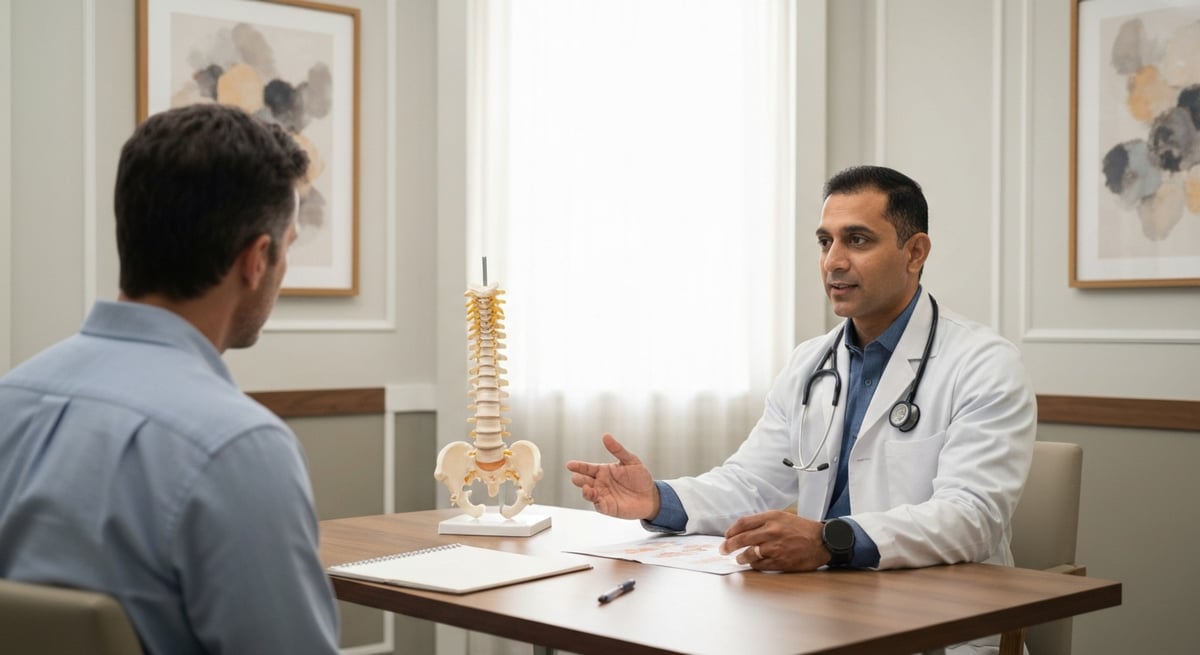
If you live in Acworth, Austell, Kennesaw, Smyrna, or anywhere in the greater Atlanta area and struggle with neck pain, arm tingling, or reduced movement, you may have a cervical spine condition affecting your quality of life. Understanding your options can be challenging, especially when facing the prospect of surgery. Cervical artificial disc replacement is a leading-edge procedure for select patients who want to preserve neck motion while relieving pain caused by degenerative disc disease or herniated discs. Unlike traditional cervical fusion, artificial disc replacement preserves the natural movement of your neck, often leading to a faster and more comfortable recovery.
At Resurgens Orthopaedics, Dr. Tapan Daftari brings more than 25 years of experience as a board-certified, fellowship-trained orthopedic spine surgeon to every patient encounter. He is committed to providing personalized, evidence-based care that prioritizes minimally invasive options and your long-term well-being. If you value staying active and want to return to your favorite activities with less pain and more mobility, cervical artificial disc replacement may be the right path.
Cervical spine conditions commonly present with a range of symptoms. Not every neck ache means you need surgery, but certain signs should prompt expert evaluation by a fellowship-trained orthopedic spine specialist.
Patients sometimes think that all neck surgeries result in major motion loss, or that surgical options are only for severe, unmanageable pain. In reality, conservative treatments such as physical therapy, medications, and targeted injections are often appropriate first steps. Surgical intervention, including cervical artificial disc replacement, is usually reserved for symptoms that persist despite non-operative care, progressive neurologic changes, or cases where preserving natural motion is a priority. Dr. Daftari ensures that you understand all options and helps correct common misunderstandings during your consultation.
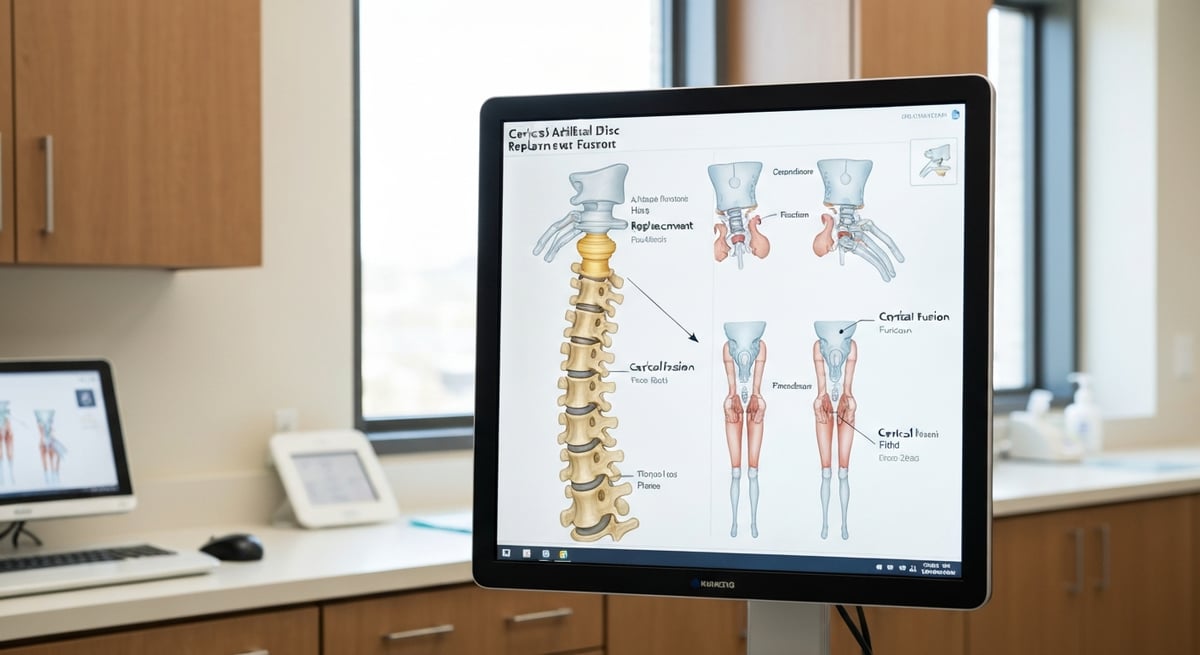
Dr. Daftari’s approach to spine care is founded on decades of experience and an unwavering commitment to patient-centered outcomes. As a graduate of Northwestern University, with orthopedic residency at Emory University School of Medicine and fellowship training in spine surgery at William Beaumont Hospital, Dr. Daftari leverages the most advanced, evidence-based techniques in the field. Practicing at Resurgens Orthopaedics, he serves patients from Acworth, Austell, Kennesaw, Smyrna, and throughout Atlanta, combining the resources of a leading institution with individualized attention.
When you see Dr. Daftari for cervical disc disease, you receive a complete evaluation: a thorough physical examination, review of your MRI or CT scans, and a careful discussion of your symptoms and treatment goals. Artificial disc replacement is discussed when symptoms are persistent and single-level cervical disc degeneration or herniation is present without instability or advanced arthritis. Dr. Daftari uses minimally invasive surgical techniques whenever appropriate, leading to smaller incisions, reduced muscle disruption, lower infection risk, and faster recovery times. His leadership as Chairman of the Spine Committee at WellStar Cobb Hospital underscores his dedication to excellence in patient care. For those who may have symptoms in the lower back, options for Lumbar Disc Replacement are also available, as are advanced Minimally Invasive Spine Surgery solutions tailored to your needs.
Personalized education is central to Dr. Daftari’s practice. You will be fully informed about what to expect, how the artificial disc preserves motion, and the realistic timeline for returning to your normal activities.
If you are considering cervical artificial disc replacement, you can take proactive steps to optimize your results and recovery. Drawing from Dr. Tapan Daftari’s real-world protocols and 25 years of surgical expertise, here are practical recommendations:
To learn more about eligibility for cervical artificial disc replacement, visit the detailed Cervical Disc Replacement resource or the Minimally Invasive Spine Surgery recovery guide to better understand next steps. These resources are kept current with evidence-based guidance in alignment with standards from AAOS, NASS, and ABOS.
Knowing when to seek expert spinal care is crucial. You should book an appointment if:
During your visit, Dr. Daftari and his team will:
As an award-winning spine specialist recognized by Atlanta Magazine (2016-2021), The Atlantan (2022-2024), Castle Connolly (15 years), and Newsweek, Dr. Daftari emphasizes compassion, transparency, and world-class results rooted in the latest research. Resurgens Orthopaedics makes it convenient for you to access leading spine care near you in Acworth, Austell, Kennesaw, or Smyrna. Your comfort, mobility, and peace of mind are our top priorities.
Cervical artificial disc replacement stands out for its ability to relieve pain, restore neck function, and preserve the natural motion of your spine. As a board-certified, fellowship-trained orthopedic spine surgeon offering advanced care through Resurgens Orthopaedics in Atlanta and surrounding areas, Dr. Tapan Daftari is dedicated to helping patients reclaim their lives after years of neck discomfort. With the right diagnosis, personalized education, and minimally invasive-first approach, you can look forward to a future with less limitation and more activity.
If you are ready to take the next step or want an expert opinion on your options, Dr. Daftari welcomes you for a consultation. Your health deserves specialist-level attention rooted in experience and recognized excellence.
If you are experiencing persistent neck pain or nerve symptoms, do not wait to seek expert guidance. With more than 25 years of orthopedic spine experience, 10 Top Doctor awards, and advanced fellowship training, Dr. Tapan Daftari is ready to help you find lasting relief. Schedule your consultation at Resurgens Orthopaedics in Acworth, Austell, Kennesaw, Smyrna, or the greater Atlanta area. Receive individualized care, a comprehensive diagnosis, and a treatment plan focused on restoring your quality of life. Take the next step toward a healthier, more active you.
Cervical artificial disc replacement is a surgical procedure that removes a damaged disc in your neck and replaces it with a mechanical implant designed to mimic the disc’s function and maintain natural neck movement.
Traditional fusion surgery joins two vertebrae together, eliminating motion at that segment. Artificial disc replacement instead preserves motion in the neck, which may reduce the risk of adjacent segment degeneration.
Many patients begin walking the same day, return to desk work within 2 to 4 weeks, gradually add light activity by 4 to 6 weeks, and are cleared for heavier activity after approximately 3 months. Individual results vary.
Cervical disc replacement works best for younger or middle-aged adults with single-level disc disease, without advanced arthritis or spinal instability, and whose symptoms persist after non-surgical treatments.
All surgeries carry risks such as infection, implant complications, and nerve injury. Dr. Daftari will review your individual risks during your consultation and answer your specific questions in detail.
This article was created with the help of AI. Images may also be AI-generated.
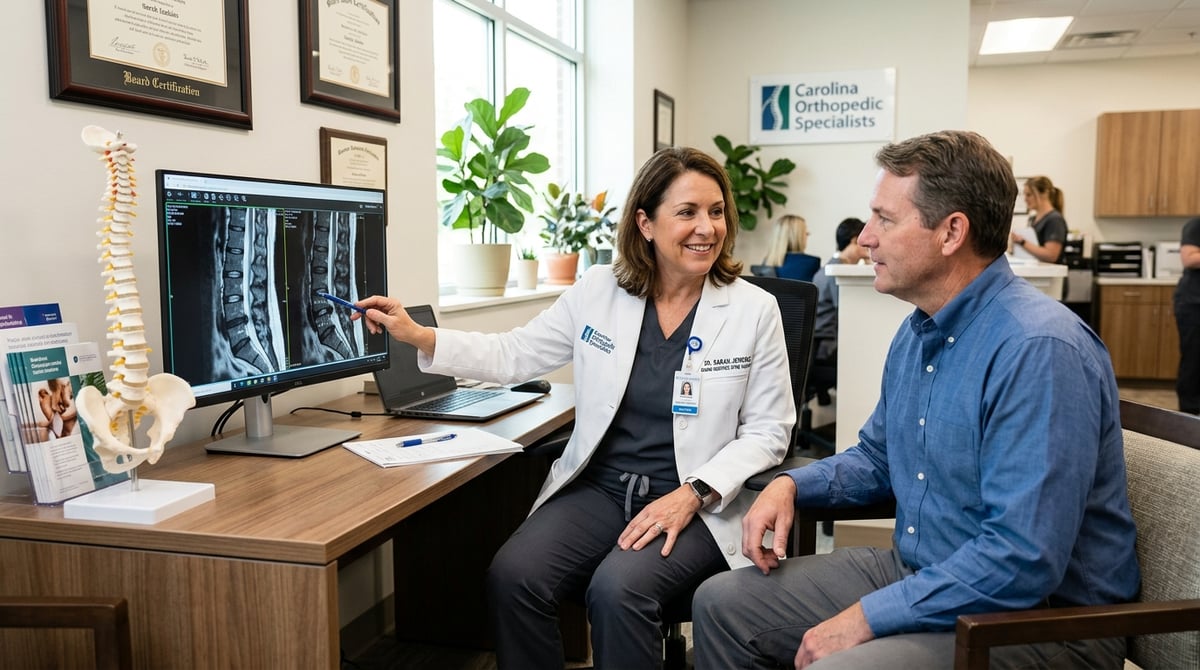
Adult spondylolisthesis is a spine condition where one vertebra slips forward over the one below it. This can cause significant back or neck pain, numbness, nerve symptoms, or even spinal instability. For adults in the Acworth, Austell, Kennesaw, Vinings, and greater Atlanta areas, recognizing this condition early can be life-changing. Many adults attribute persistent back discomfort to aging or muscle strain, but unaddressed spondylolisthesis can progress, affecting nerve function and daily quality of life.
Dr. Tapan Daftari—board-certified, fellowship-trained orthopedic spine surgeon with over 25 years of experience—specializes in advanced diagnosis and evidence-based treatment of vertebral slippage. With expertise in reconstructive and minimally invasive spine surgery, Dr. Daftari is committed to helping you understand your spine health and guiding you toward treatment that supports your long-term well-being.
Spondylolisthesis in adults most commonly appears in the lower back (lumbar spine), but can also affect the neck (cervical spine). Key symptoms may include:
A common misunderstanding is that all back pain is from "wear and tear" or muscle injuries. However, symptoms that linger, intensify, or involve nerve changes may reflect a deeper spinal condition such as spondylolisthesis. Not all cases require surgery—early evaluation and correct diagnosis are key to appropriate management and improved outcomes.
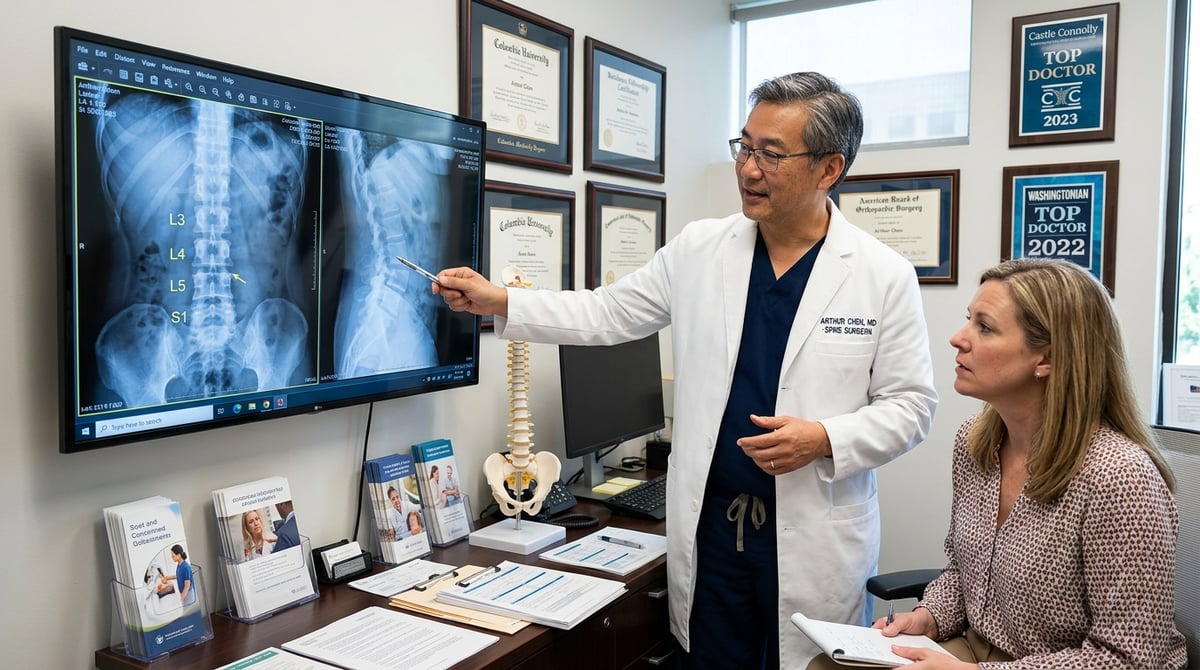
Dr. Daftari’s approach to spine care is built on individualized evaluation, transparent education, and patient partnership. At Resurgens Orthopaedics, the diagnostic process may include a comprehensive medical history, physical exam, and advanced imaging, such as X-rays or MRI, to assess the degree of vertebral slippage. The goal is to differentiate spondylolisthesis from other causes of back pain and to determine whether conservative or surgical treatment is appropriate.
With advanced fellowship training from William Beaumont Hospital and experience as Chairman of the Spine Committee at WellStar Cobb Hospital, Dr. Daftari provides the full spectrum of care. Personalized non-surgical options include tailored physical therapy, activity modification, medications, and targeted injections.
When surgery is indicated, Dr. Daftari specializes in reconstructive and minimally invasive techniques that aim for faster recovery, lower post-operative pain, and smaller incisions. He offers innovative solutions for complex cases, such as cervical disc replacement and lumbar disc replacement, and educates you on the benefits and risks of each option before making any recommendation.
While professional evaluation is crucial, there are several steps you can take to protect your spine and relieve symptoms while you await your appointment:
Most importantly, monitor for changes. If you notice worsening weakness, loss of bladder or bowel control, or severe pain, seek urgent medical attention. Dr. Daftari draws on 25+ years of clinical leadership to deliver care that is tailored to your goals and activity level, emphasizing minimally invasive treatments whenever possible. Explore more about minimally invasive spine surgery for spondylolisthesis and other degenerative spine conditions in our resources.
If back or neck pain significantly impacts your life or has not improved with conservative measures after several weeks, it is time to see a specialist. Immediate evaluation is warranted if you experience:
During your visit, Dr. Daftari will spend time listening to your history, conducting a focused neurological exam, and reviewing advanced imaging. Every step, from diagnosis to follow-up, centers on your unique health needs, lifestyle, and goals. You will have the opportunity to ask questions, discuss all available treatment pathways, and receive evidence-based recommendations rooted in Dr. Daftari’s extensive clinical practice in Atlanta, Kennesaw, and surrounding communities.
Living with spondylolisthesis can feel overwhelming, but expert diagnosis and the right treatment plan make a real difference. With advanced training, numerous Top Doctor recognitions, and a leadership role in the WellStar hospital system, Dr. Tapan Daftari is uniquely positioned to help you restore function and reduce pain through individualized care strategies.
If you are ready to regain control of your spine health and explore whether non-surgical or surgical management—including cervical disc replacement or lumbar disc replacement—is right for you, we encourage you to take the first step now.
Don’t let back or neck pain keep you from enjoying your life. If you are living in Acworth, Austell, Kennesaw, Vinings, or greater Atlanta and are ready for lasting relief, Request an Appointment with Dr. Daftari at Resurgens Orthopaedics. Discover how advanced, minimally invasive spine solutions can restore your well-being and help you return to the activities you love.
Medical Disclaimer: This content is for informational purposes only and does not constitute medical advice, diagnosis, or treatment. Please consult Dr. Tapan Daftari or a qualified spine specialist for evaluation of your individual condition.
Spondylolisthesis occurs when a vertebra slips forward over the one below it, while a herniated disc occurs when the cushioning disc material bulges or leaks out. They may cause similar symptoms but require different diagnostic approaches and treatment plans.
No. Many adults improve with conservative management, such as physical therapy and medications. Surgery is considered only if symptoms are severe, do not respond to non-surgical treatment, or if nerve compression or spinal instability is present.
Treatment ranges from physical therapy and pain management to minimally invasive procedures and spinal fusion. Options like cervical or lumbar disc replacement are considered for specific cases. Dr. Daftari will recommend a tailored plan based on your unique condition.
Recovery times vary depending on the surgical technique and your overall health. Many patients start walking within 24 hours, return to desk work within 2-4 weeks, light activity in 4-6 weeks, and heavier lifting by 3 months, following Dr. Daftari’s clinical protocols.
Seek emergency care if you experience sudden and severe weakness, numbness, or loss of control over your bladder or bowels. These may indicate cauda equina syndrome or significant nerve involvement.
This article was created with the help of AI. Images may also be AI-generated.
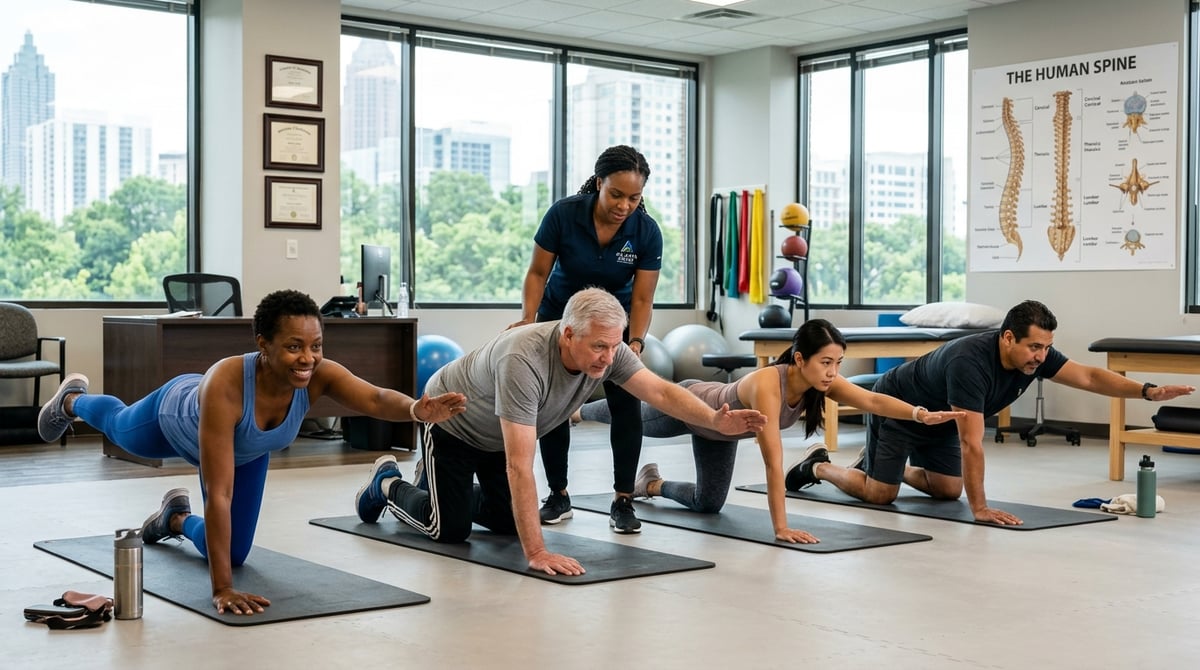
Back and neck pain affects millions of adults, often disrupting work, family life, and cherished activities. If you live in Acworth, Austell, Kennesaw, Vinings, or the greater Atlanta area and are experiencing chronic pain, degenerative spinal conditions, or disc problems, understanding the connection between core strength and spine health is crucial. The term "core strength" means more than having toned abs. It refers to the stability and endurance of a group of muscles in your abdomen, lower back, pelvis, and hips—all working together to support your spine.
When these core muscles are weak or imbalanced, your spine must compensate, leading to strain, poor posture, and, in many cases, increased risk for herniated discs, degenerative conditions, and lingering pain. Strengthening your core under expert guidance can improve spinal alignment, reduce discomfort, and prevent further injury. As a fellowship-trained, board-certified orthopedic spine surgeon, Dr. Tapan Daftari draws on 25-plus years in reconstructive and minimally invasive spine surgery to help patients achieve lasting spine support and a better quality of life.
Many adults ignore or misunderstand what their bodies are telling them. Core weakness may present as more than just back or neck pain. Signs include:
Common misconceptions:
Dr. Tapan Daftari helps patients in the Atlanta area learn which exercises are safe at each stage of their recovery, empowering you to move forward with accurate information and confidence.
With decades of experience and advanced training, Dr. Daftari offers a full spectrum of diagnostics and treatments for spine support—from conservative therapies to specialized surgeries. Your evaluation includes:
Common conditions managed include degenerative disc disease, cervical or lumbar herniated discs, spinal deformities, and previous spine surgery patients with residual weakness. In many cases, prescribed physical therapy focuses on tailored core strengthening programs that may help you avoid or delay surgery. For those who need surgical treatment, Dr. Daftari specializes in both motion-preserving procedures (such as Cervical Disc Replacement and Lumbar Disc Replacement) and fusion surgeries, always prioritizing your quality of life and rapid return to function. You will never receive a generic plan; every step is matched to your health, activity level, and goals.
Building core strength does not require hours at the gym or risky moves. As part of a comprehensive care plan, Dr. Daftari commonly recommends the following:
Essential tips:
Many patients benefit from working with a physical therapist to receive hands-on guidance. Following the recovery protocols after minimally invasive spine surgery or other procedures is important for a successful long-term outcome.
If your back or neck pain lasts more than a few weeks, limits your daily activity, causes weakness or numbness, or if home exercises fail to improve symptoms, it’s time to schedule a consultation. During your first visit, Dr. Daftari conducts a comprehensive evaluation, explains your imaging, and discusses all options using clear, compassionate language. Expect:
Dr. Daftari’s patient-first approach aims to reduce your pain, restore function, and help you return to what matters most—always focusing on your unique needs. If you require surgery, protocols are in place for early mobilization, return-to-work planning, and education for both you and your loved ones.
A strong core is the foundation for a resilient spine. Whether you’re recovering from a recent injury, managing a degenerative disorder, or seeking ways to protect your long-term back health, expert guidance matters. Dr. Tapan Daftari, recognized as a Top Doctor in the Atlanta area for over a decade, combines advanced training with genuine compassion for every patient.
If you’re ready to experience relief and improved function, schedule your appointment today and let our team help you build lasting stability for a better quality of life.
Disclaimer: This blog is provided for informational purposes only and does not constitute medical advice, diagnosis, or treatment. Please consult Dr. Daftari or a qualified spine surgeon for individual evaluation of your condition.
Core muscles stabilize and support the spine, reducing strain on spinal discs, joints, and ligaments. This lowers your risk for injury, pain, and degenerative changes.
Core strengthening can be safe and beneficial after surgery when introduced at the right stage. Always follow your surgeon’s protocols before beginning or advancing exercises.
In many cases, a strong core can alleviate symptoms and improve function, delaying or sometimes avoiding surgery. Dr. Daftari reviews all conservative options before recommending any intervention.
Targeted core exercises—when guided by your surgeon or physical therapist—are often safe and helpful. Always consult before starting a program, especially if you have significant pain or neurological symptoms.
Most patients begin gentle movement within 24 hours and progress to core and aerobic activities in the weeks following, based on individual recovery plans. Your timeline will be determined in consultation with Dr. Daftari.
This article was created with the help of AI. Images may also be AI-generated.
Neck problems can sometimes cause symptoms far beyond the neck itself. One of the most common examples is cervical radiculopathy, a condition in which a nerve in the neck becomes compressed or irritated. This pressure can cause pain, tingling, numbness, or weakness radiating down the shoulder and arm.
Cervical radiculopathy can interfere with daily activities, sleep, and overall quality of life. Accurate diagnosis and appropriate treatment are essential for relieving symptoms and preventing long-term nerve damage.
Dr. Tapan Daftari specializes in diagnosing and treating cervical radiculopathy using advanced and evidence-based methods designed to restore function and reduce pain.

The cervical spine is the upper portion of the spine located in the neck. It consists of seven vertebrae labeled C1 through C7. These vertebrae support the head, allow neck movement, and protect the spinal cord.
Between these vertebrae are spinal nerves that travel from the neck into the shoulders, arms, and hands. When one of these nerves becomes compressed or inflamed, it can disrupt normal nerve signals. This condition is known as cervical radiculopathy.
Because the affected nerves extend into the arm, many patients initially attribute their discomfort to the shoulder or arm rather than the neck.
Cervical radiculopathy usually occurs when a nerve root in the neck becomes compressed. Several spinal conditions may lead to this problem.
Spinal discs act as cushions between the vertebrae. When a disc bulges or ruptures, it may press against nearby nerves and cause pain that radiates into the arm.
Arthritis in the spine can cause bone spurs to form. These growths can narrow the spaces through which nerves exit the spine, leading to nerve compression.
As people age, spinal discs gradually lose hydration and flexibility. These changes can reduce the space around nerve roots and increase the risk of nerve root irritation.
Car accidents, sports injuries, or falls can damage the cervical spine and compress surrounding nerves.
Identifying the underlying cause is essential for developing an effective treatment plan.
Symptoms vary depending on which cervical nerve is affected. However, several signs are commonly associated with cervical radiculopathy.
Pain may begin in the neck and travel through the shoulder into the arm or hand. The discomfort may feel sharp, burning, or aching.
Many patients experience a pins and needles sensation in the arm, hand, or fingers.
Nerve compression can reduce muscle strength, making it difficult to grip objects or lift the arm.
During a medical exam, weakened reflexes may be detected in the upper extremities.
Certain neck movements may worsen symptoms by increasing pressure on the affected nerve.
Early evaluation by a spine specialist can help prevent worsening symptoms and permanent nerve damage.
Diagnosis typically begins with a detailed medical history and physical examination. A spine specialist will evaluate neck mobility, test muscle strength, and assess reflexes.
Imaging tests may also be recommended, including:
These tests help determine the exact source of nerve irritation and guide treatment decisions.
Treatment for cervical radiculopathy depends on the severity of symptoms and the underlying cause. Many patients experience relief through non surgical methods.
Initial treatment often focuses on reducing inflammation and supporting spinal stability.
Common approaches include:
Many patients notice improvement within several weeks of beginning conservative treatment.
If symptoms do not improve with conservative care, minimally invasive procedures may be recommended. These treatments aim to relieve nerve pressure while minimizing recovery time.
Specialized techniques allow physicians to address the source of nerve compression with smaller incisions and reduced disruption to surrounding tissue.
In severe cases, surgery may be necessary to remove the source of nerve compression and restore normal nerve function.
Common surgical procedures include:
Surgery is typically considered when symptoms continue despite treatment or when nerve compression leads to significant weakness or neurological changes.

Tapan Daftari, M.D., is a board-certified orthopedic spine surgeon with more than 25 years of experience in reconstructive and minimally invasive spine surgery. He has received multiple Top Doctor awards in orthopedic surgery and serves as Chairman of the Spine Committee at WellStar Cobb Hospital.
Dr. Daftari focuses on precise diagnosis and individualized treatment plans designed to help patients regain mobility and improve quality of life.
Cervical radiculopathy often causes pain that travels from the neck into the shoulder and arm. Patients may also experience numbness, tingling, or muscle weakness.
Yes. Many patients find relief through conservative treatments such as physical therapy, medications, and posture improvements.
Recovery time varies depending on the severity of the condition. Many patients notice improvement within four to six weeks of beginning treatment.
You should seek medical evaluation if arm pain, numbness, or weakness persists, worsens, or interferes with daily activities.
Yes. Nerves in the cervical spine travel into the shoulders and arms. When these nerves become compressed, pain and other symptoms can appear in the arm or hand.

Sciatica is a common condition that affects millions of adults each year. It occurs when the sciatic nerve, the largest nerve in the body, is compressed or irritated, leading to pain, numbness, or weakness that radiates from the lower back through the buttocks and down the leg. Understanding the causes, recognizing the symptoms, and exploring modern treatment options can help individuals regain mobility and improve their quality of life.
Sciatica is typically caused by pressure on the sciatic nerve. Common underlying conditions include:
Dr. Tapan Daftari, an experienced orthopedic spine specialist in Georgia, emphasizes that early evaluation is critical. Identifying the root cause of sciatica allows for tailored treatment plans and reduces the risk of long-term complications.

Symptoms of sciatica can vary in intensity and may include:
Symptoms often worsen with prolonged sitting, bending, or lifting. While some cases improve with conservative care, persistent or severe symptoms require medical evaluation to prevent nerve damage.
Treatment for sciatica is highly individualized and depends on the severity and underlying cause of the nerve compression. Modern options include:
For individuals experiencing persistent sciatic nerve pain, seeking professional evaluation is crucial. Dr. Daftari provides comprehensive sciatica treatment by offering patients tailored care plans that include both conservative strategies and minimally invasive options. His expertise in orthopedic spine care ensures patients receive safe, evidence-based interventions designed for long-term relief.
Dr. Daftari is a board-certified orthopedic spine surgeon with extensive experience in diagnosing and treating spinal conditions, he focuses on personalized care that emphasizes minimally invasive solutions and patient education. Dr. Daftari is dedicated to helping patients achieve long-term spine health and improved quality of life.
Sciatica can significantly impact daily life, but understanding its causes, recognizing the symptoms, and exploring modern treatment options can lead to effective relief. From physical therapy and pain management to minimally invasive sciatica options there are proven strategies to regain mobility and reduce discomfort. Consulting a specialist like Dr. Daftari provides patients with the guidance needed for lasting sciatic nerve pain relief.
1. What are the most common causes of sciatica?
Herniated discs, spinal stenosis, degenerative disc disease, piriformis syndrome, and trauma are common causes of sciatic nerve compression.
2. How can I relieve sciatic nerve pain at home?
Gentle stretching, low-impact exercise, posture correction, and over-the-counter anti-inflammatory medications can help, but persistent symptoms should be evaluated by a specialist.
3. What are minimally invasive sciatica options?
Minimally invasive procedures include targeted injections and endoscopic techniques that relieve nerve compression with shorter recovery times compared to traditional surgery.
4. When should I see a specialist for sciatica treatment ?
Consult a specialist if pain is severe, persists beyond a few weeks, or is accompanied by numbness, weakness, or difficulty controlling bladder or bowel function.
5. Can sciatica be prevented?
Maintaining core strength, proper posture, and spinal flexibility, along with avoiding prolonged sitting and heavy lifting without proper technique, can reduce the risk of sciatica.


