
Request an Appointment

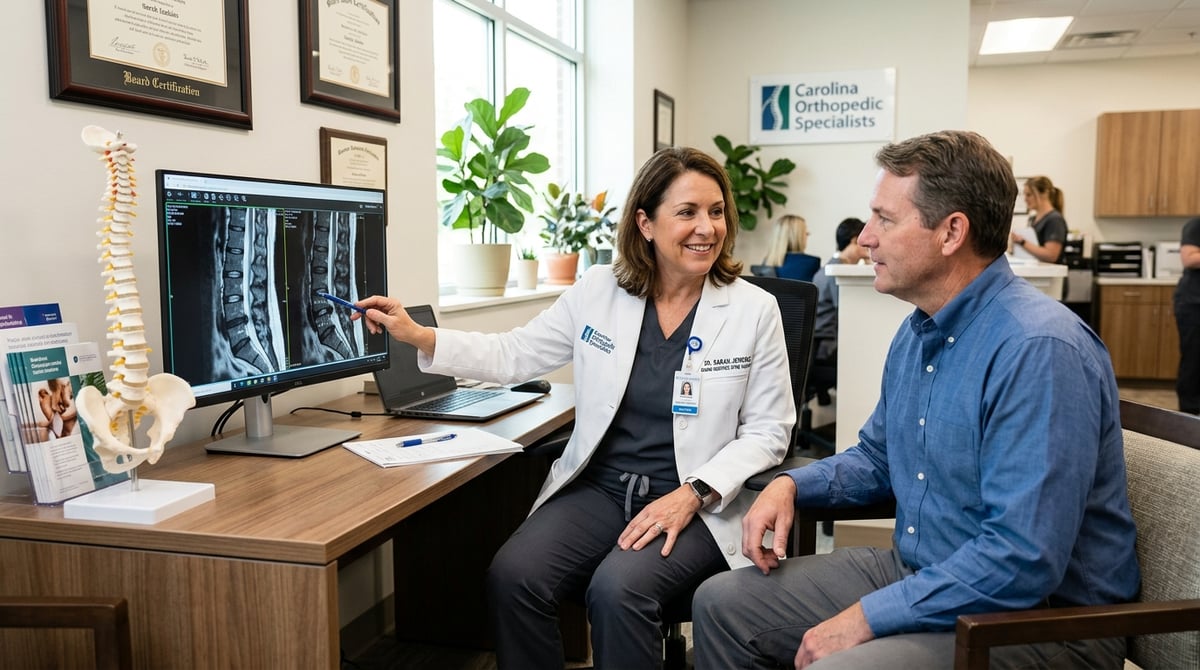
Adult spondylolisthesis is a spine condition where one vertebra slips forward over the one below it. This can cause significant back or neck pain, numbness, nerve symptoms, or even spinal instability. For adults in the Acworth, Austell, Kennesaw, Vinings, and greater Atlanta areas, recognizing this condition early can be life-changing. Many adults attribute persistent back discomfort to aging or muscle strain, but unaddressed spondylolisthesis can progress, affecting nerve function and daily quality of life.
Dr. Tapan Daftari—board-certified, fellowship-trained orthopedic spine surgeon with over 25 years of experience—specializes in advanced diagnosis and evidence-based treatment of vertebral slippage. With expertise in reconstructive and minimally invasive spine surgery, Dr. Daftari is committed to helping you understand your spine health and guiding you toward treatment that supports your long-term well-being.
Spondylolisthesis in adults most commonly appears in the lower back (lumbar spine), but can also affect the neck (cervical spine). Key symptoms may include:
A common misunderstanding is that all back pain is from "wear and tear" or muscle injuries. However, symptoms that linger, intensify, or involve nerve changes may reflect a deeper spinal condition such as spondylolisthesis. Not all cases require surgery—early evaluation and correct diagnosis are key to appropriate management and improved outcomes.
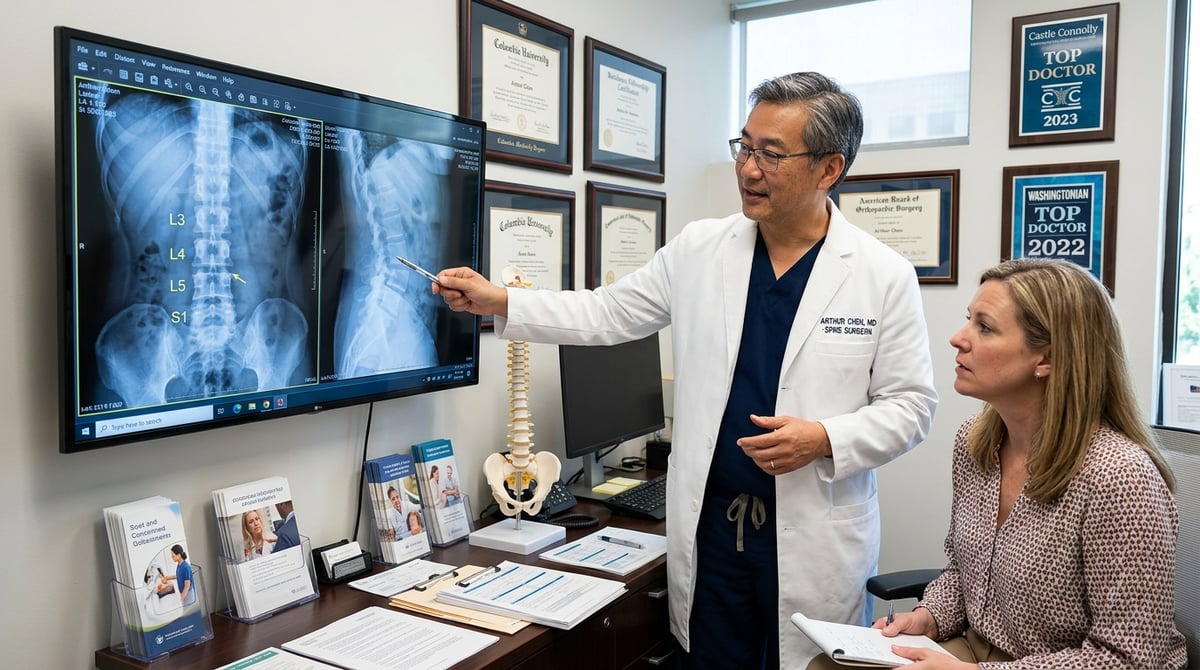
Dr. Daftari’s approach to spine care is built on individualized evaluation, transparent education, and patient partnership. At Resurgens Orthopaedics, the diagnostic process may include a comprehensive medical history, physical exam, and advanced imaging, such as X-rays or MRI, to assess the degree of vertebral slippage. The goal is to differentiate spondylolisthesis from other causes of back pain and to determine whether conservative or surgical treatment is appropriate.
With advanced fellowship training from William Beaumont Hospital and experience as Chairman of the Spine Committee at WellStar Cobb Hospital, Dr. Daftari provides the full spectrum of care. Personalized non-surgical options include tailored physical therapy, activity modification, medications, and targeted injections.
When surgery is indicated, Dr. Daftari specializes in reconstructive and minimally invasive techniques that aim for faster recovery, lower post-operative pain, and smaller incisions. He offers innovative solutions for complex cases, such as cervical disc replacement and lumbar disc replacement, and educates you on the benefits and risks of each option before making any recommendation.
While professional evaluation is crucial, there are several steps you can take to protect your spine and relieve symptoms while you await your appointment:
Most importantly, monitor for changes. If you notice worsening weakness, loss of bladder or bowel control, or severe pain, seek urgent medical attention. Dr. Daftari draws on 25+ years of clinical leadership to deliver care that is tailored to your goals and activity level, emphasizing minimally invasive treatments whenever possible. Explore more about minimally invasive spine surgery for spondylolisthesis and other degenerative spine conditions in our resources.
If back or neck pain significantly impacts your life or has not improved with conservative measures after several weeks, it is time to see a specialist. Immediate evaluation is warranted if you experience:
During your visit, Dr. Daftari will spend time listening to your history, conducting a focused neurological exam, and reviewing advanced imaging. Every step, from diagnosis to follow-up, centers on your unique health needs, lifestyle, and goals. You will have the opportunity to ask questions, discuss all available treatment pathways, and receive evidence-based recommendations rooted in Dr. Daftari’s extensive clinical practice in Atlanta, Kennesaw, and surrounding communities.
Living with spondylolisthesis can feel overwhelming, but expert diagnosis and the right treatment plan make a real difference. With advanced training, numerous Top Doctor recognitions, and a leadership role in the WellStar hospital system, Dr. Tapan Daftari is uniquely positioned to help you restore function and reduce pain through individualized care strategies.
If you are ready to regain control of your spine health and explore whether non-surgical or surgical management—including cervical disc replacement or lumbar disc replacement—is right for you, we encourage you to take the first step now.
Don’t let back or neck pain keep you from enjoying your life. If you are living in Acworth, Austell, Kennesaw, Vinings, or greater Atlanta and are ready for lasting relief, Request an Appointment with Dr. Daftari at Resurgens Orthopaedics. Discover how advanced, minimally invasive spine solutions can restore your well-being and help you return to the activities you love.
Medical Disclaimer: This content is for informational purposes only and does not constitute medical advice, diagnosis, or treatment. Please consult Dr. Tapan Daftari or a qualified spine specialist for evaluation of your individual condition.
Spondylolisthesis occurs when a vertebra slips forward over the one below it, while a herniated disc occurs when the cushioning disc material bulges or leaks out. They may cause similar symptoms but require different diagnostic approaches and treatment plans.
No. Many adults improve with conservative management, such as physical therapy and medications. Surgery is considered only if symptoms are severe, do not respond to non-surgical treatment, or if nerve compression or spinal instability is present.
Treatment ranges from physical therapy and pain management to minimally invasive procedures and spinal fusion. Options like cervical or lumbar disc replacement are considered for specific cases. Dr. Daftari will recommend a tailored plan based on your unique condition.
Recovery times vary depending on the surgical technique and your overall health. Many patients start walking within 24 hours, return to desk work within 2-4 weeks, light activity in 4-6 weeks, and heavier lifting by 3 months, following Dr. Daftari’s clinical protocols.
Seek emergency care if you experience sudden and severe weakness, numbness, or loss of control over your bladder or bowels. These may indicate cauda equina syndrome or significant nerve involvement.
This article was created with the help of AI. Images may also be AI-generated.


